

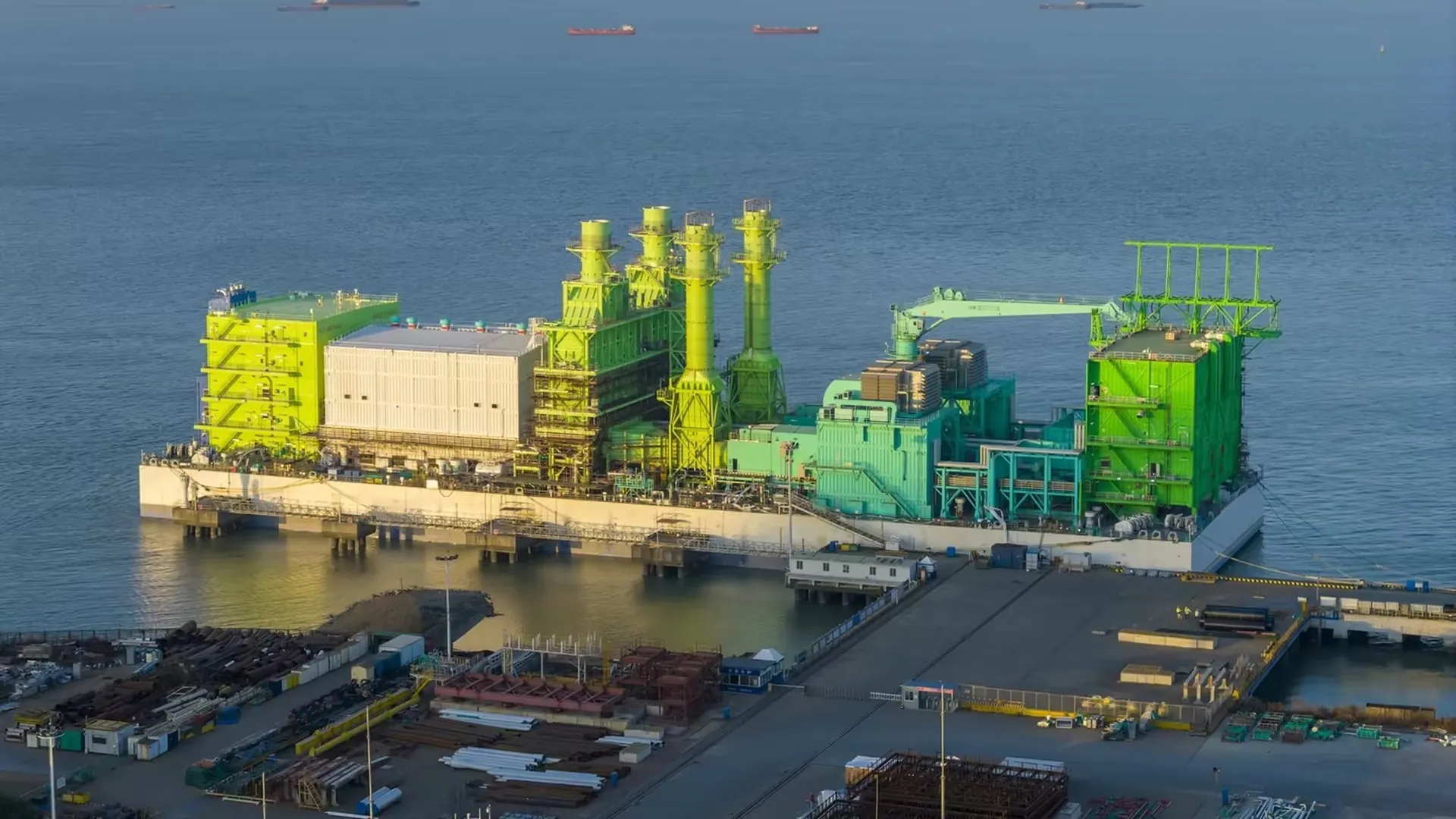
How it comes together
From yard to grid.
- 01
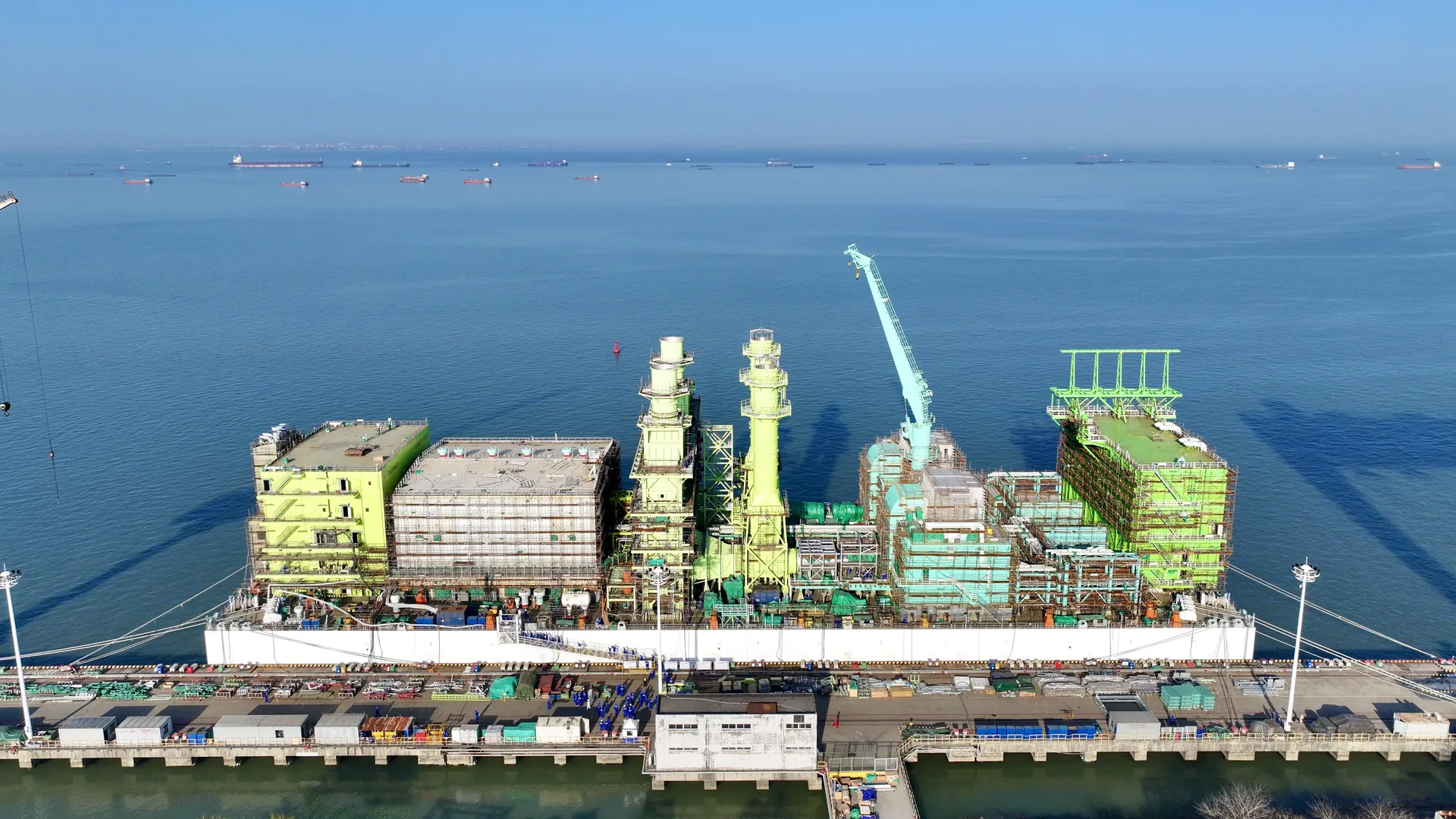
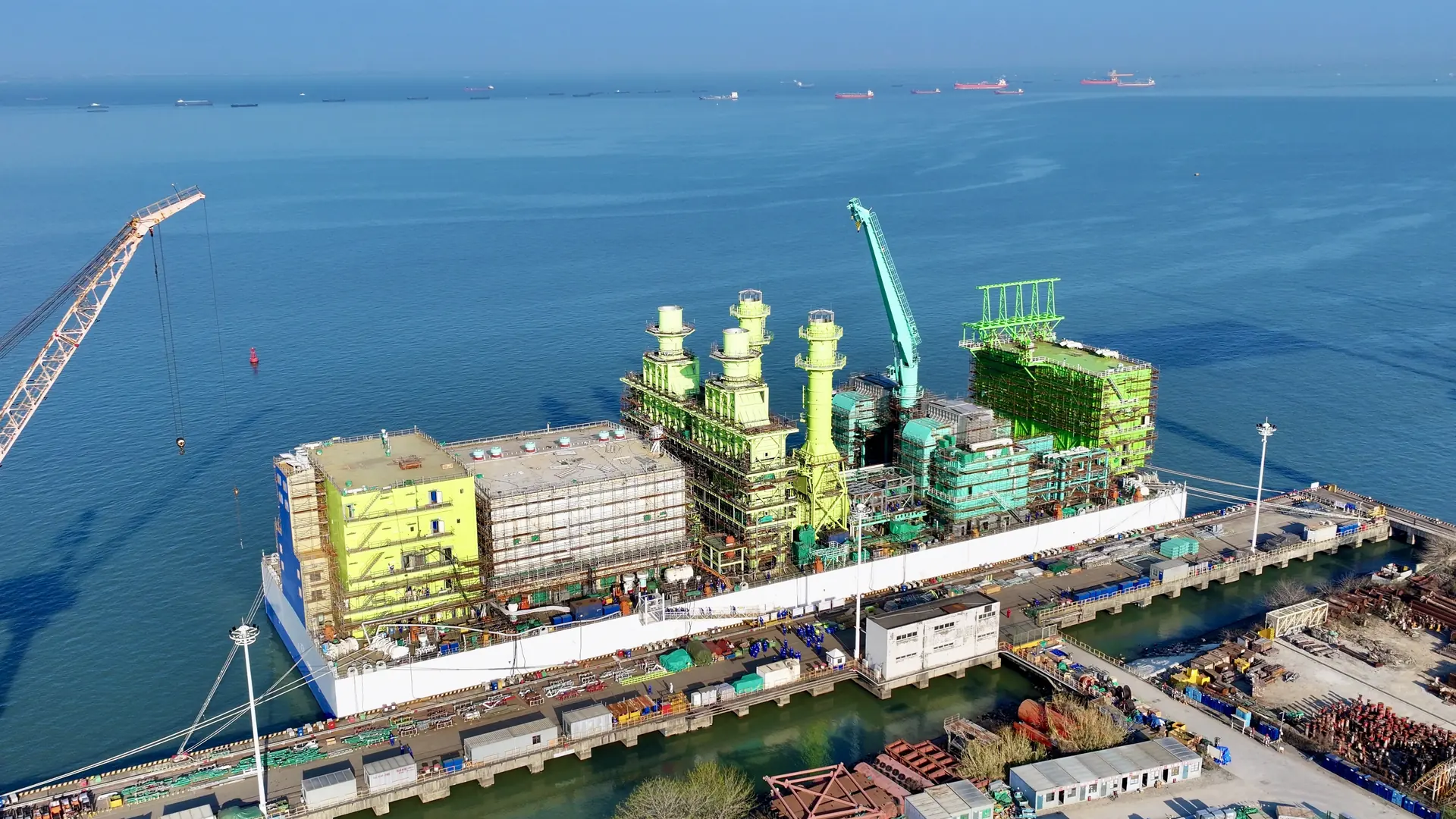
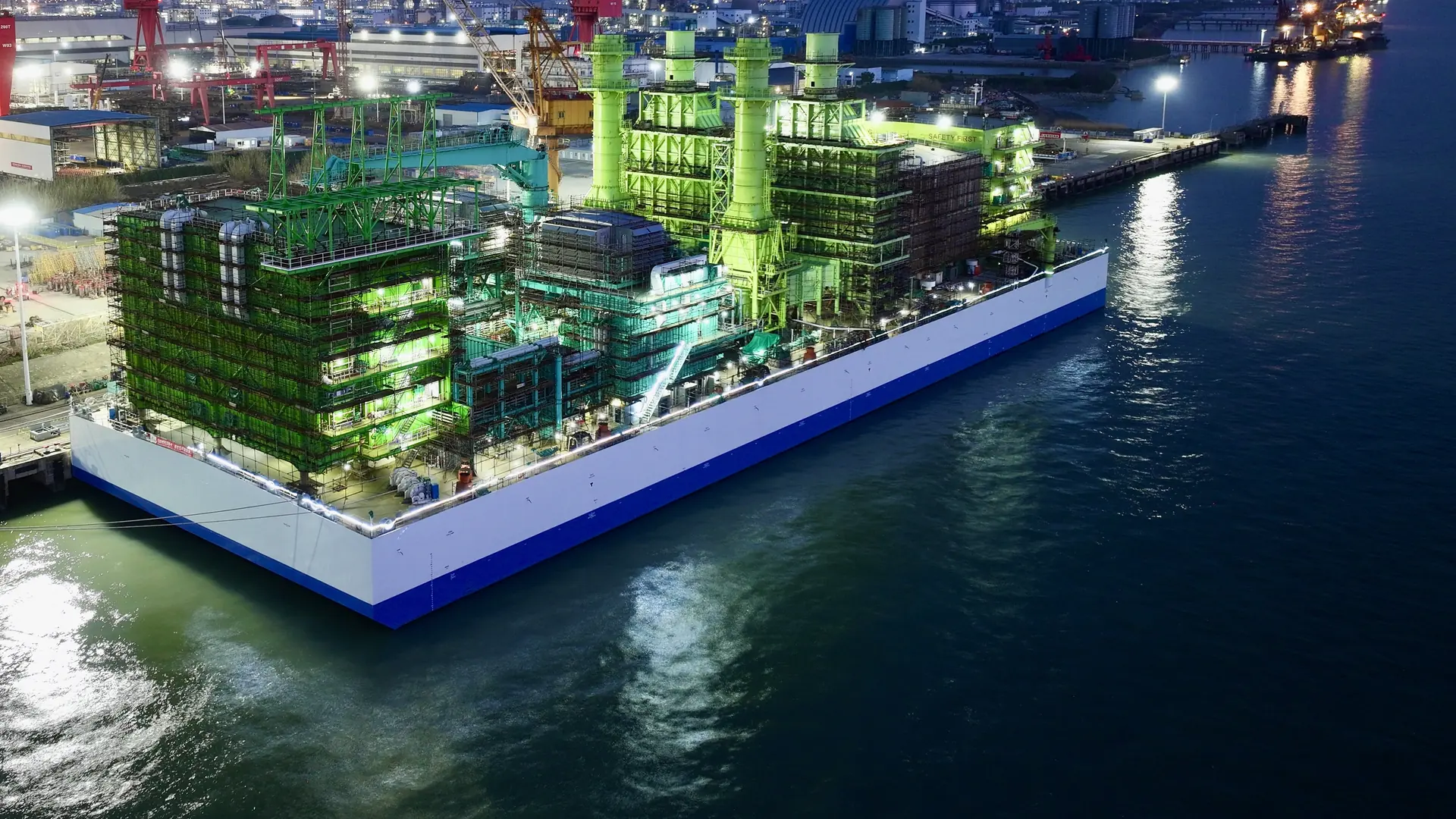
Built in the yard
Power barges fabricated and integrated in our own yards.
- 02
Tested before sail-away
Built, tested and commissioned from the yard — minimal work on site.
- 03
Towed into position
Moored near shore, where onshore siting is hard.
- 04
Power on
Electricity within a single dry season, ready for future fuels.
Configurations
Three configurations. One delivery method.
Range
- Engine class, from
- 30MW
- CCGT class, up to
- 600MW
- CCGT plant efficiency
- ≈56%
- Engine plant efficiency
- ≈47%
Configurations
- Reciprocating engines
- 30–150MW
- Combined cycle (CCGT)
- 150–600MW
- LNG hub · FSRU
- 150–450MW
- Delivered reference
- 234MW
Why floating power
Power where the grid isn't.
- 01
Quick to market
Built in months, delivering power inside a dry season.
- 02
Minimal site work
Built, tested and delivered from the yard.
- 03
Near-shore siting
The answer to onshore siting constraints.
- 04
Re-deployable
The plant can move as demand moves.
- 05
Fuel-flexible
Dual-fuel, hydrogen-blend ready.
- 06
Power + gas
Sell power or re-gasified LNG from one asset.
Ready for tomorrow
Built for gas today. Ready for hydrogen.
- FSRU-integrated fuel supply
- Closed-loop water cooling
- CCUS-ready exhaust path
- Black-start capable
- Battery storage option
- Hydrogen-blend ready
- AI-driven operations
- World Bank emissions compliance