

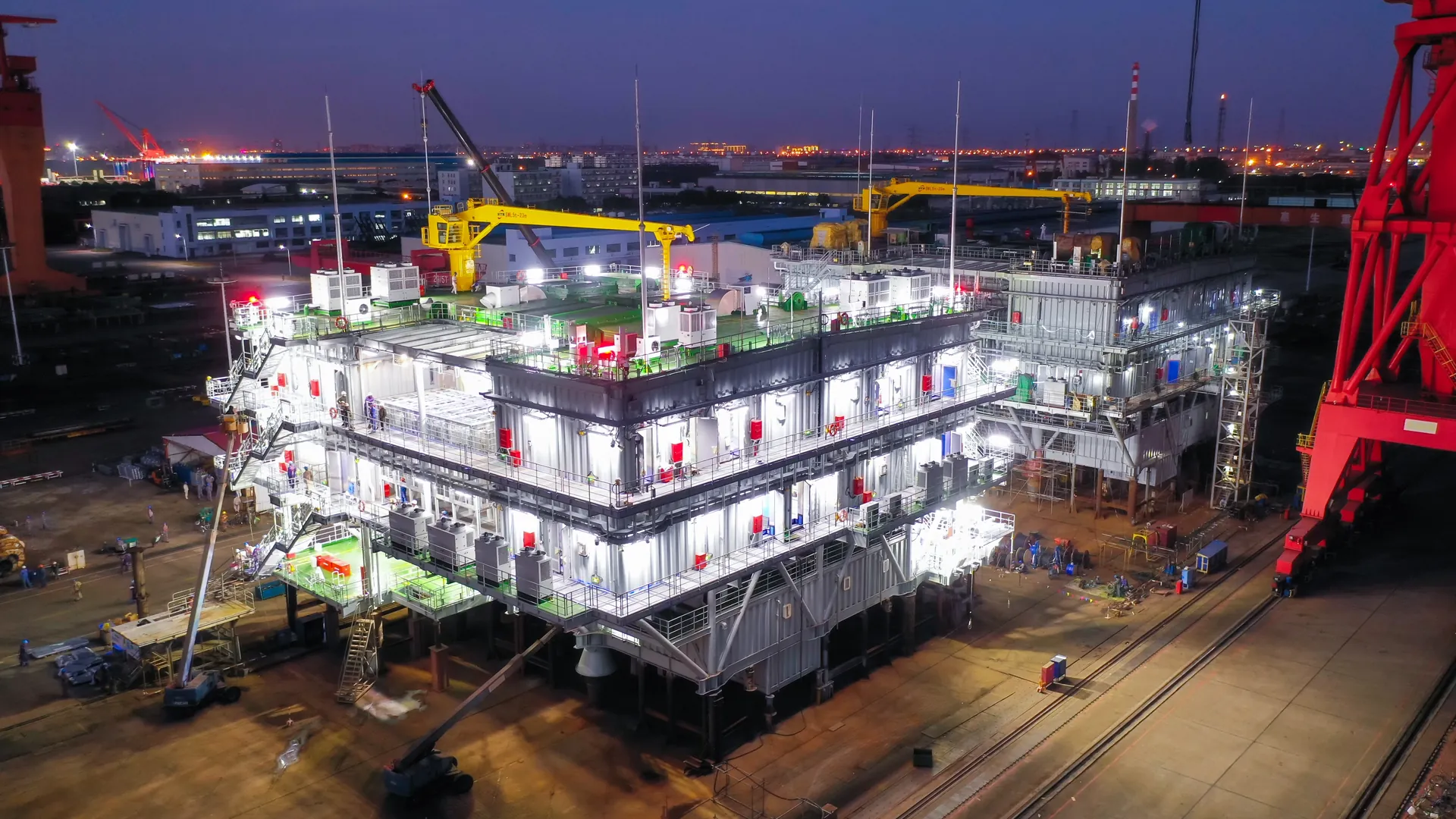
How it comes together
Designed once. Built in series.
- 01
Standard hull
Five floating platforms — semi-submersible, buoyant tower and TLP — from one engineering team.
- 02
Built in series
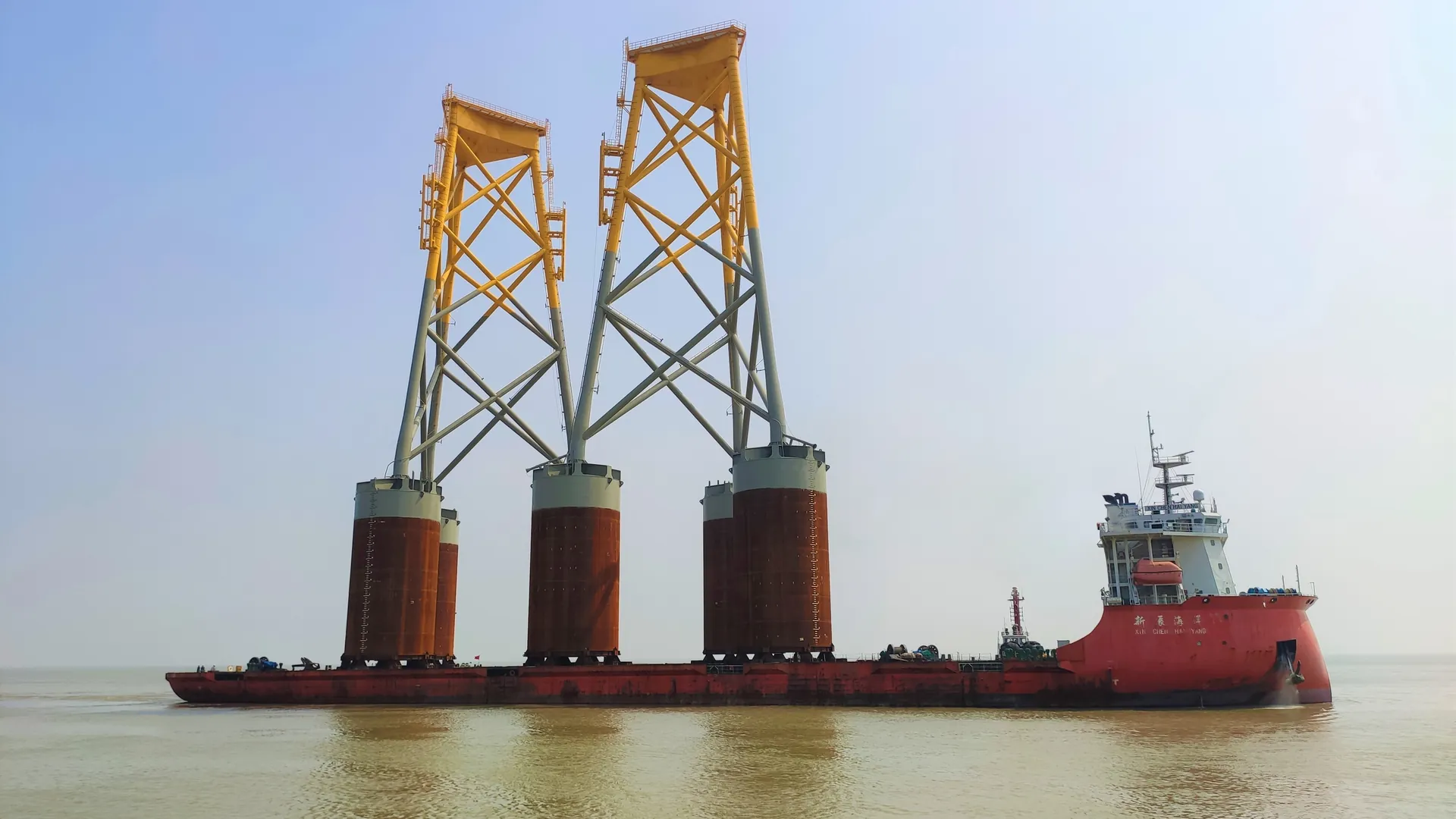
Fabricated in series on our Nantong and Qidong production lines.
- 03
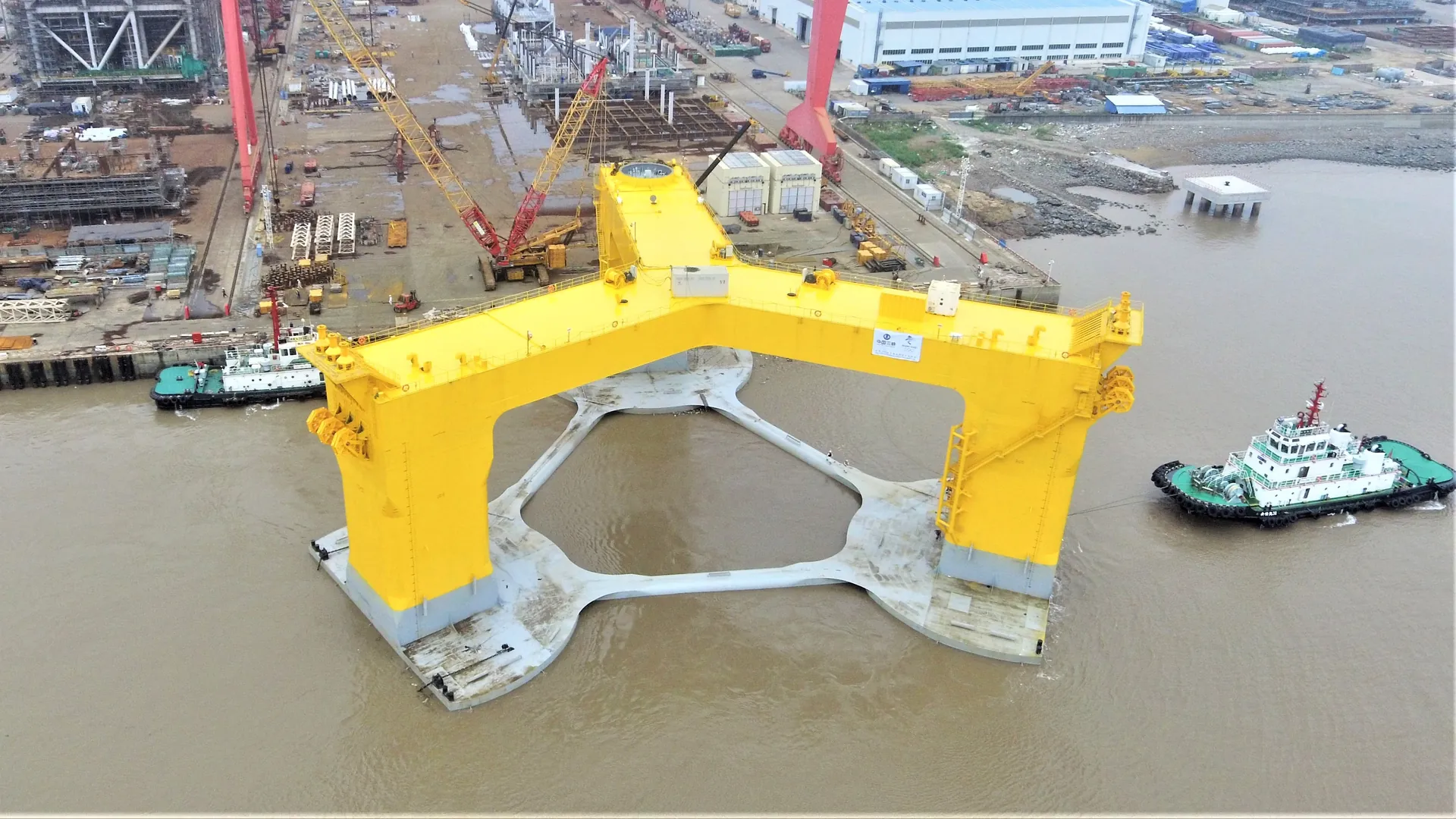
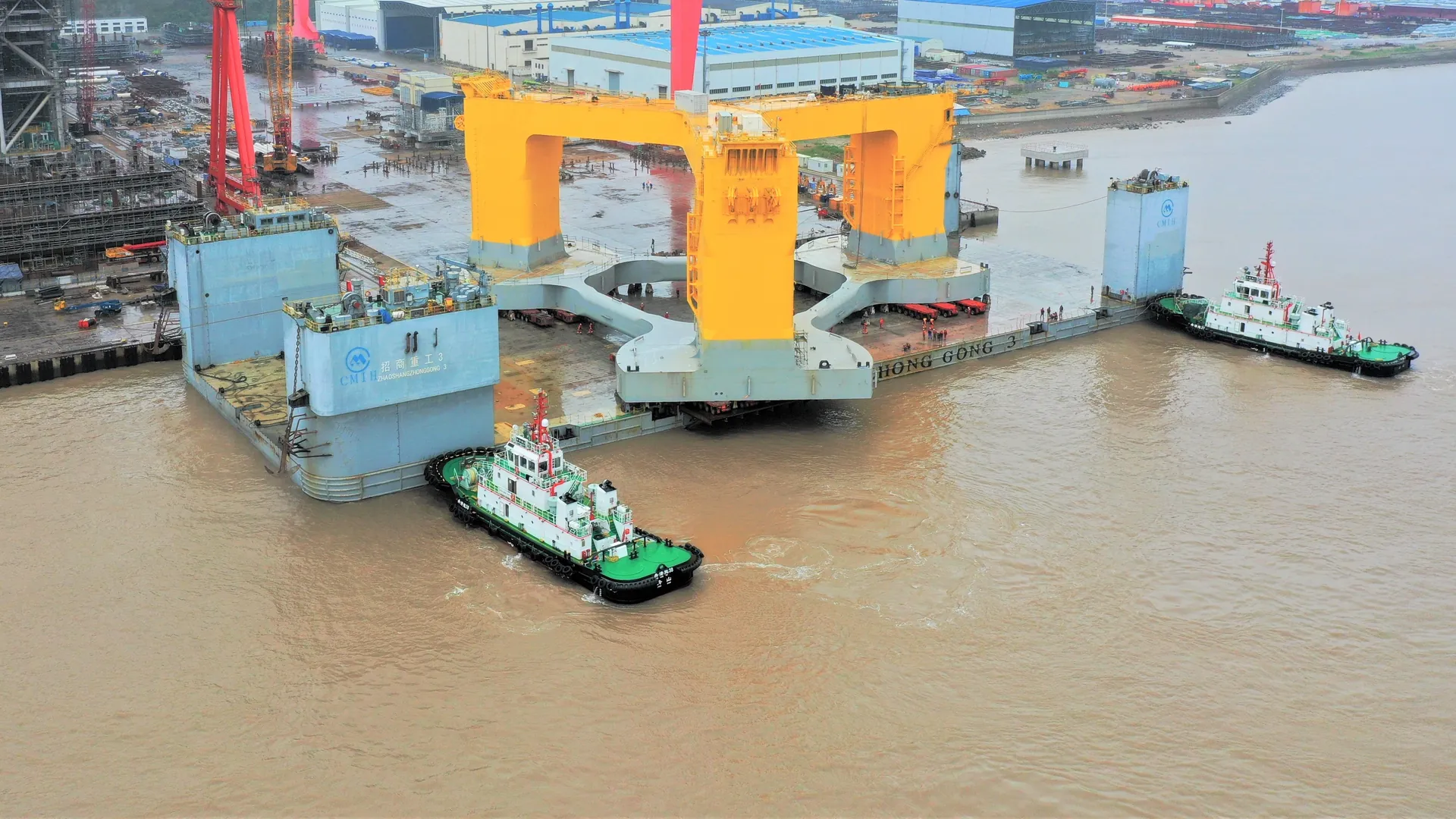
Assembled & towed out
Assembled at the quay, or afloat where the design allows, then towed to site.
- 04
Turbine & mooring
Turbine and mooring integrated at the quay, for 25+ years of service.
Five platforms
Different hulls. Same engineering team.
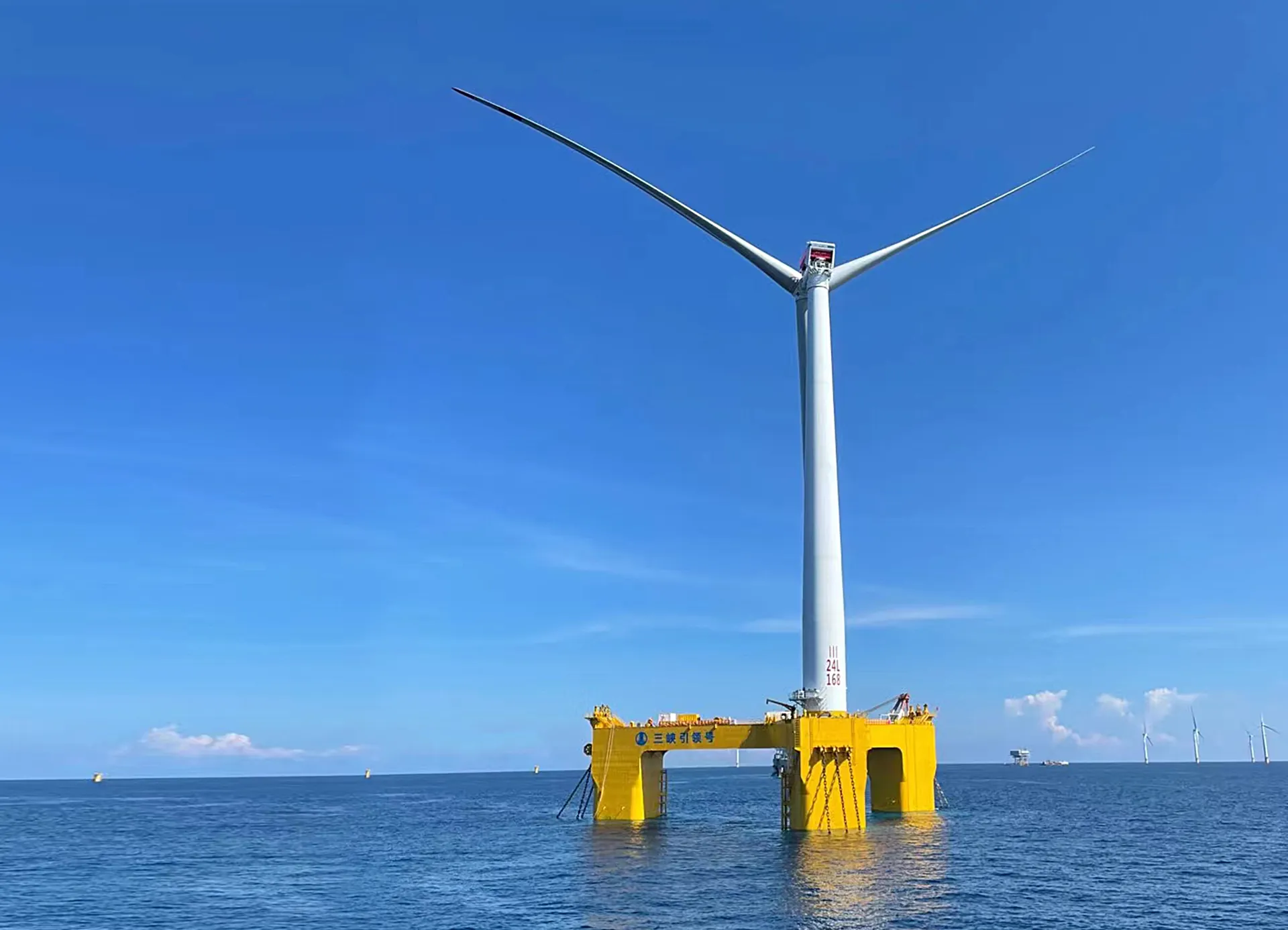
w.semi · semi-submersible
- Water depth
- 60+m
- Turbine class
- <16MW
- Structure
- ~290t/MW
- AIP
- DNV · ABS
w.semi-c · semi-submersible
- Water depth
- 60+m
- Turbine class
- >16MW
- Structure
- ~280t/MW
- AIP
- DNV · CCS
w.BT · buoyant tower
- Water depth
- 100–200m
- Station keeping
- SCF
- Turbine installed
- Near surface
- Large floating crane
- Not needed
w.OSS · floating substation
- Water depth
- 100–300m
- Mooring system
- None
- Station keeping
- SCF
- AIP
- ABS
w.TLP · tension leg
- Water depth
- 100+m
- Structure
- ~150t/MW
- Platform tilt
- <1°
- AIP
- ABS
Why floating wind
Where fixed-bottom can't reach.
- 01
Deeper water
Platforms for 60 m of water and deeper.
- 02
Built in series
Standard hulls on yard production lines.
- 03
Flexible installation
Flexible installation solutions for offshore deployment.
- 04
Standard by turbine size
w.semi for turbines under 16 MW, w.semi-c for turbines above 16 MW.
- 05
AIP secured
Class approval-in-principle on all five platforms.
- 06
Proven offshore
China's first floating wind project, 5.5 MW, off Guangdong.
Engineering
Full-cycle floating wind farm EPCIC.
- w.farm EPCIC
- Active tilting system
- Modular fabrication
- Afloat assembly
- Catenary mooring
- Semi-taut mooring
- Shared mooring
- SCF station keeping